Antropyton

Friday, November 03, 2006

Finished!

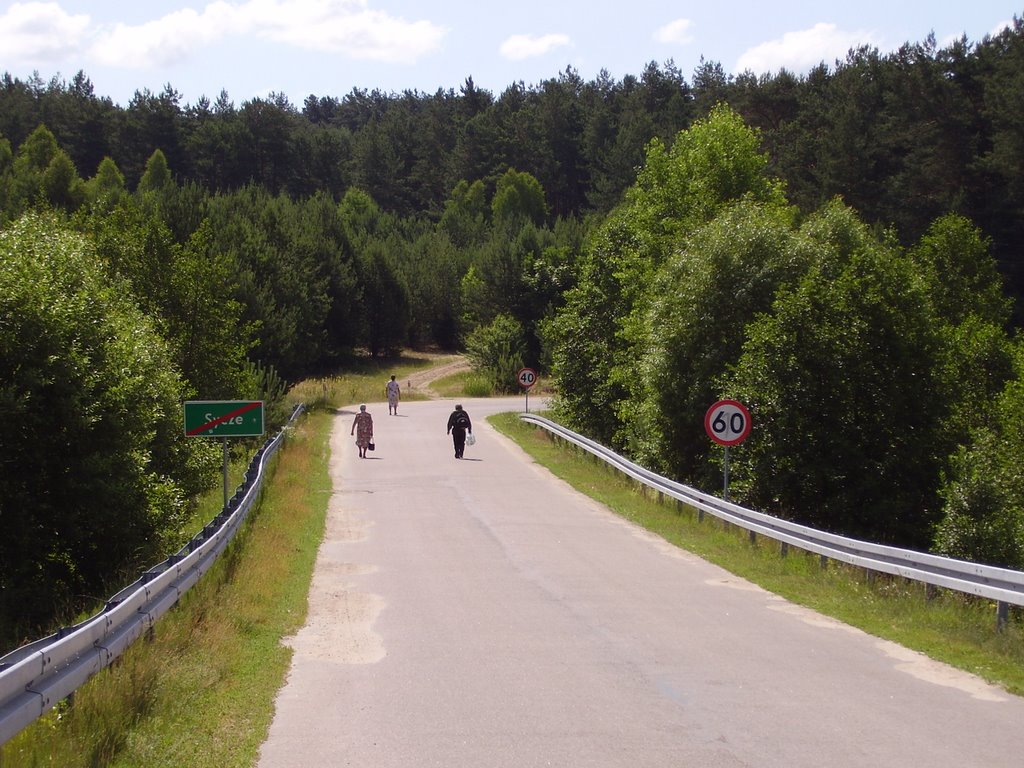
[This post is actually from Friday, but I forgot to post it and haven't been at home since then. And I've managed to twist my ankle :( Now, when I was looking forward to the first day off and going out in the Marka (check out the picture!! It's Sørkedalen and I was actually living there in 2 years!!! How funny it was to find this on the wiki) or do something fun ... grrr. nevermind. what I wrote on Friday:

Jiippii! Finished writting. It wasn't actually so bad as I had thought. Did I underestimated something? I mean that the assignment question was much more useful that I had supposed. Typisk... I am not totally satisfied with what I had written but I feel good with the thought process I had to go through. Really helpful to my future work. What I have mainly used to illustrate that "a methodological approach can not be dissociated from a theoretical approach":
  • Gupta og Ferguson - critique of "fieldwork" as a result of a dualistic theoretical perspective and understanding of culture as place bounded..... and of course critique of "exotification" of "the others" by Horace Miner (pdf) READ THIS!!!
  • Appadurai - globalization and challenges to traditional methods - ethnoscapes and locality
  • Hastrup - about ethnographic presence and realisme - I-witnessing (Geertz)
  • Postmodernism, deconstructionism and multivocality - reflection over anthropologists' status and authority
  • Research techniques - lack of standardized ethnographic methodological canons (Jackson)
  • Hermeneutic and symbolism, public meanings and observation, "thick descriptions" - Geertz
  • Phenomenology as a theory and research method - Merleau-Ponty, Stoller, Jackson (from Sanjek)
  • Phenomenology and landscape studies, taking materiality seriously - Tilley, Ingold, also some Callon (pdf)
  • Texts, text analysis and intertextuality - Clifford, Barnes and Duncan, Barthes, Iser
  • Discursive data, narratives, discourse - Smith, Dauite & Loghtfoot, Good, Foucault - all methods can be justifiable from the point of view of theoretical paradigm...
Something like this. And some others...
Jiippi. Finished anyway, whatever happens. Free weekend! Hmm, not actually. Taking subway in 20 minutes and go to FAFO to continue surveys... It feels fine.

Labels: , , , , ,

Tuesday, October 17, 2006

Quantitative methods...

I was really lucky to get the job at FAFO right now. Their project (in cooperation with CMR) is about migration (mainly labour) from Poland to Norway, after EU enlargement in 2004. I am working as an interviewer in the quantitative surveys. Pretty cool job, I think. And the first one that has something in common with my education!

I think it's really a good time to do this now when I am preparing to my fieldwork. Firstly, I can train myself in doing interviews, I've never done this. Well, a few as a homework, but any that really tells, that are a part of research and on which that research depends! Wow, it was really strange to sit and talk with respondents and realize that "this is what has to be done before all see the results!" hehe. I know I know, banal discovery, but anyway it's pretty amazing to experience the boundarylessness of the field! is it now? is it allready now? am I doing research? I think everybody has to go through this kind of questions before he or she discovers that no magic wand will transform me-student to me-researcher. I've experienced that in spite of that it's not my project at all, but I am trying to take advantage of this job.

Anyway, the other thing is that yes-no-don't know-doesn't apply-
surveys can be so frustrating! Especially when respondent wants to talk or starts his or her monologue, goes deeper into the subject, tells his or her lifestories and you are sitting there with your pencil, looking at the emotionless piece of paper with boxes, tables and number on and ask: "So you are happy while working in Norway? Right/wrong/don't know?" (it's only example, there is not taken from the questionnaire). I was just reading Leach's critique of quantitative surveys and I do understand what he means with incorrectly defined terms. Because what does it mean to be happy? How does the respondent interpret the question? Happy because or happy in spite of? How do we interpret this? It hadn't been a problem if it weren't for the fact that others interviewers could interpret the question differently... Well, there is no meaning to go deeply in those subject in this research so it doesn't hurt. The important thing is that we have to be really careful when using some others people's data, research materials, examples and so on, and especially while making conclusions based on them. Anyway, I am collecting practical arguments for not using quantitative methods in non-statistical phenomena. Obvious, obvious again, I know, but it feels so good to experience the need for some other method while doing for instance interview. It's so satisfying to be able to see lacks and to know what more could be done to improve the research... wow. thank you for your attention:)

Labels: ,

Sunday, August 13, 2006

We ask, we don't answer. What nature is for ME.

I've observed something funny. When you ask an anthropologist, sociologist or other social scientist about their attitude to some phenomena, they will answer you in all possibly ways but rarely directly. Ask them about what the gender is, what the state is, what ethnicity they belong or how emotions come into being! (Don't ask them about what CULTURE is! - you will surely not catch the next subway! I doubt actually if you would catch any subway at all!:) I think it's typical for any kind of, let's say specialist (especially within the humanities - they are almost never able to give you a simple answer!) But when I ask for example my brother who works with finances what kind of investment would be suitable for me he also starts his lecture: "You know, there is a lot of investments...bla bla bla, it's not so easy as one could suppose..." The same when I want some simple advice from my "computer geek" friends I regret asking once they open their mouths:)

When I asked my schoolmates about their attitudes to some phenomena I often heard: "Well, it's not easy to say", "You know, i's socially dependent" or "In some African tribe for example"... Well ok, but how do YOU define "nature" if you want to make research on Indonesian people's attitude to this? What is your perception of death if you are going to write about funeral rituals in rural Ukraine? Shouldn't we first ask ourselves and then create questions? Why should these people know the answer if you don't do this? We do love to ask, but we hesitate to answer. By our interpretations we are creating A LOT OF answers that are not ours and in that we move away, I think, from our own beliefs and convictions.

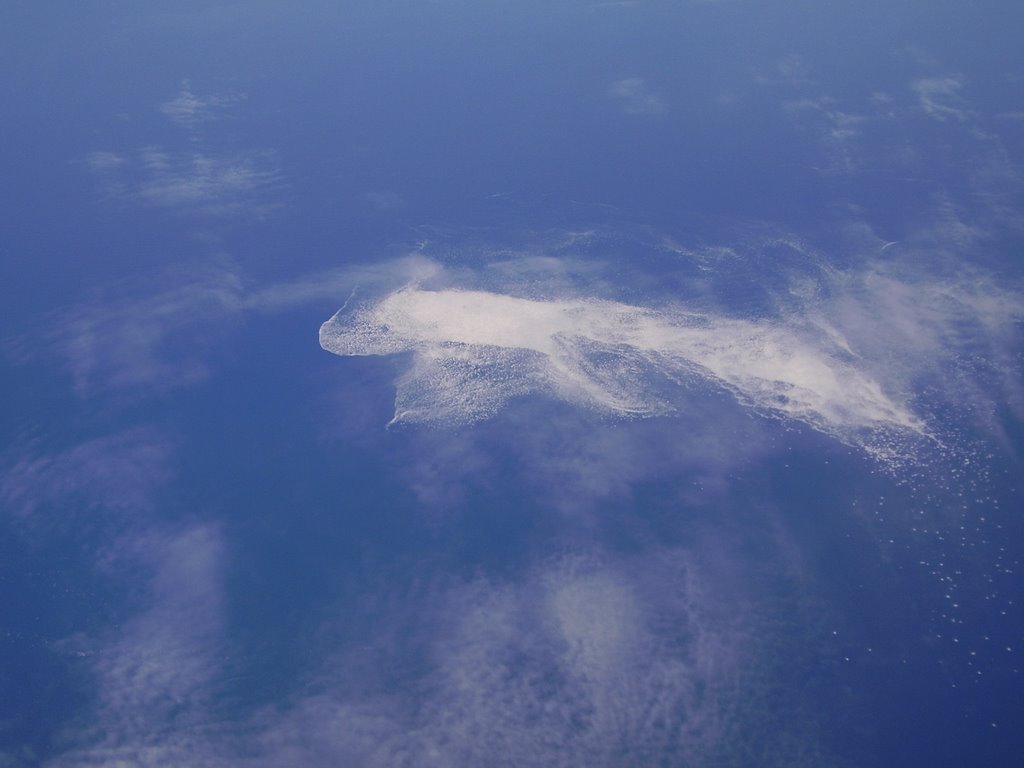
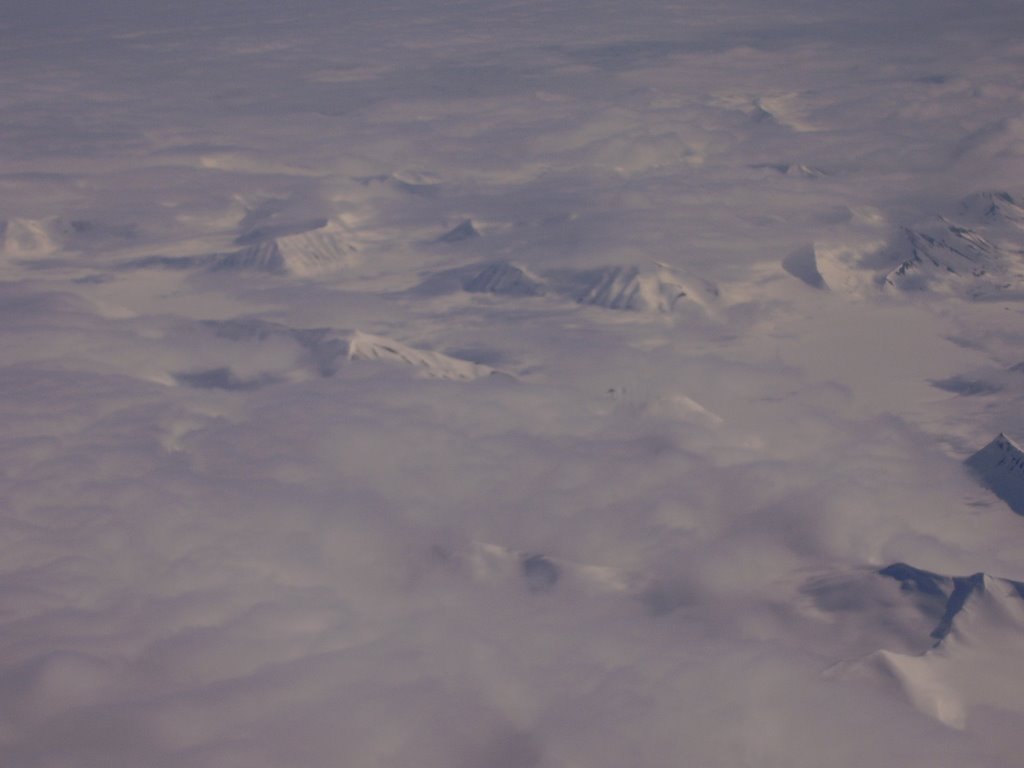
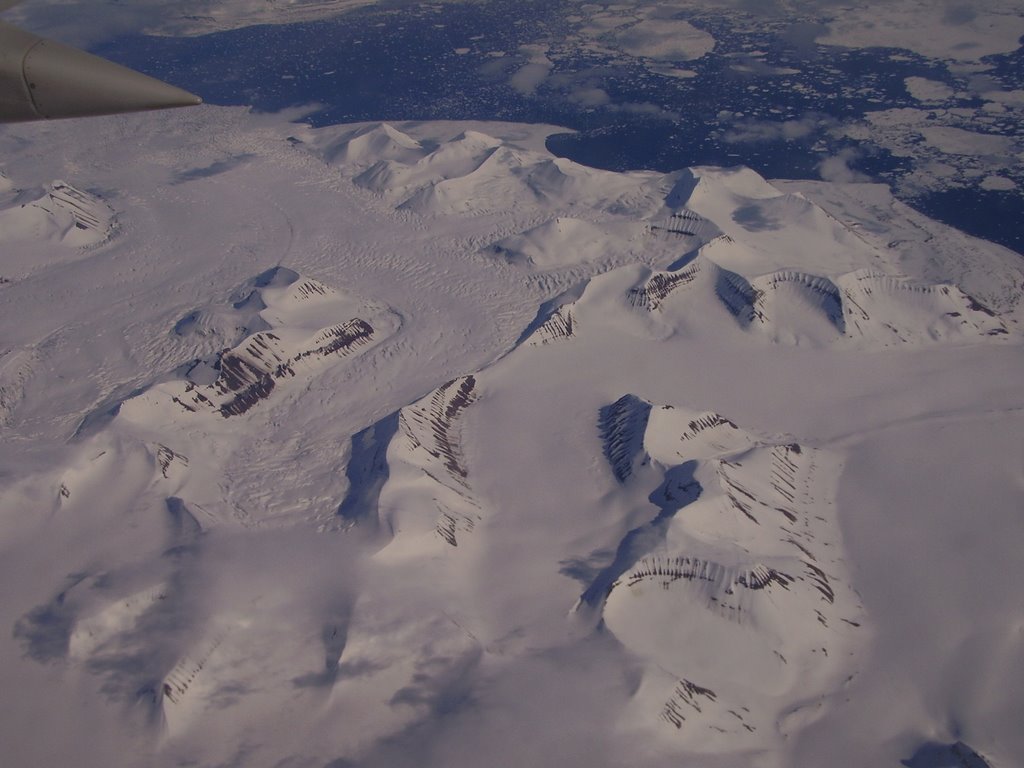
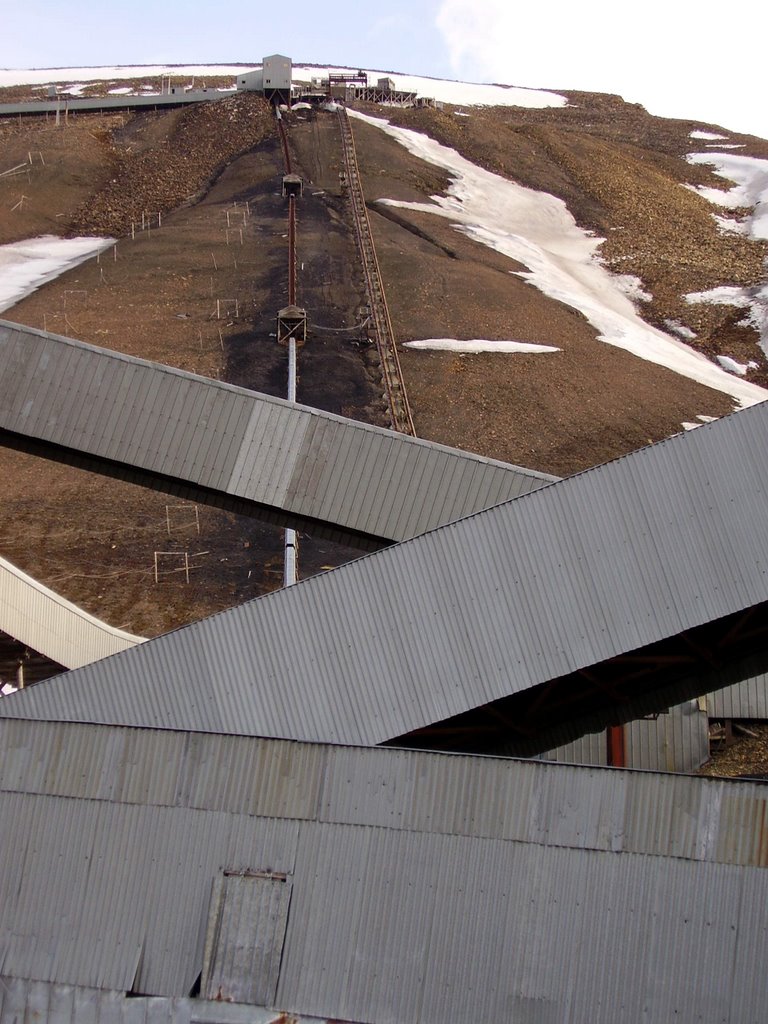
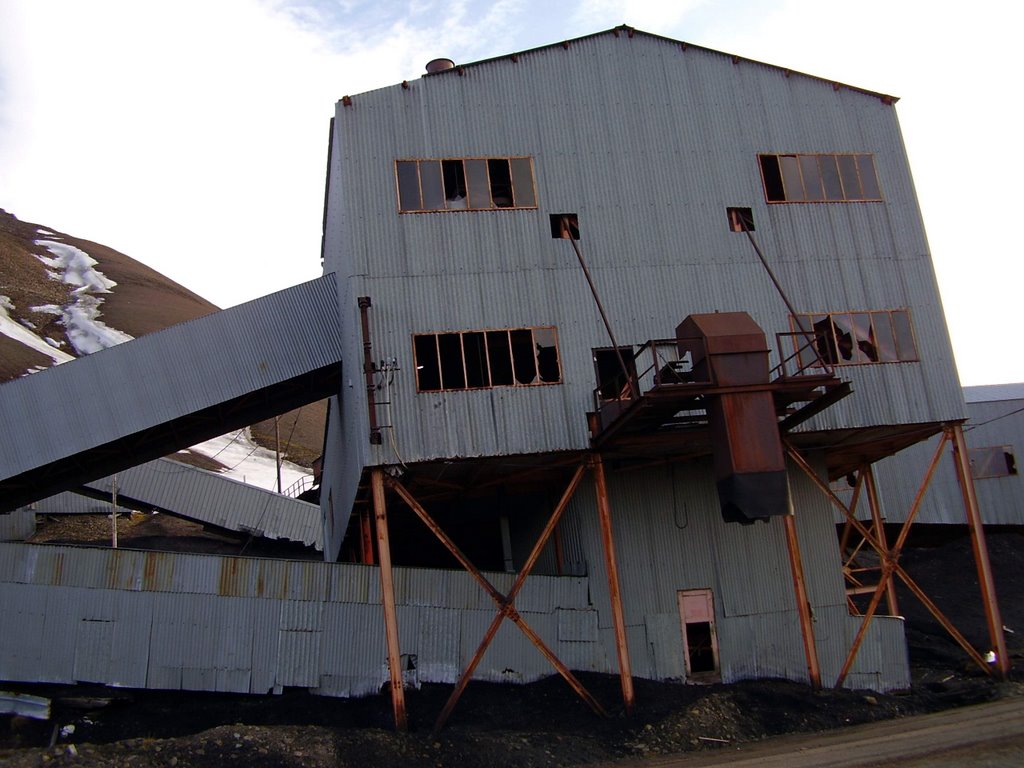
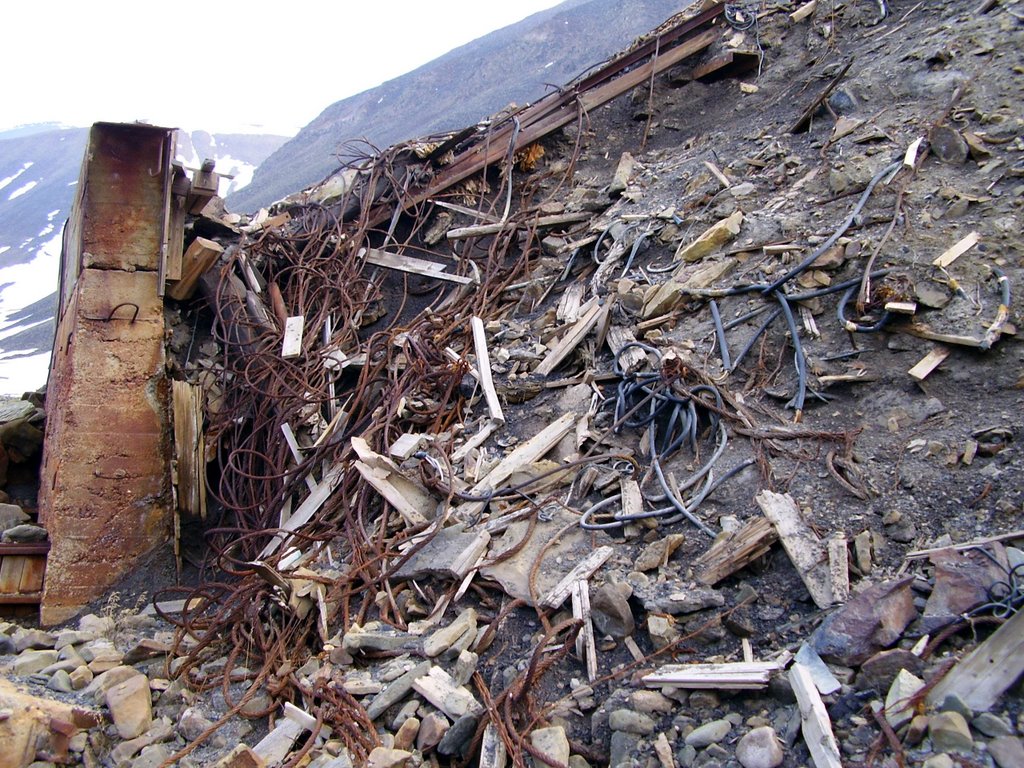
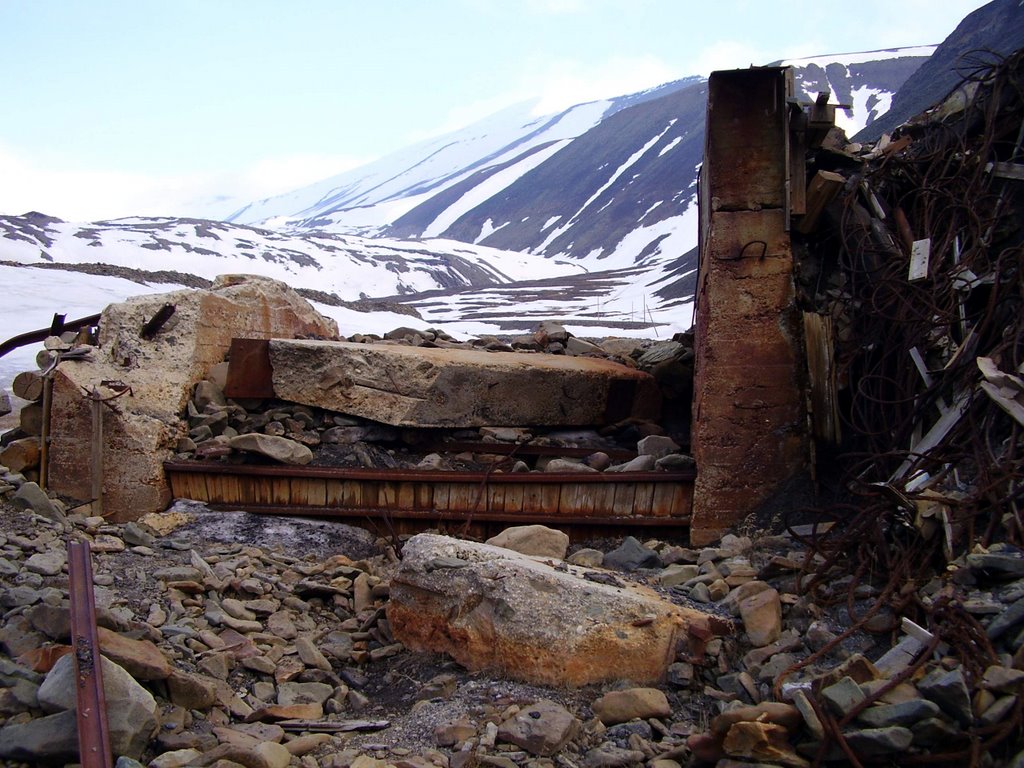
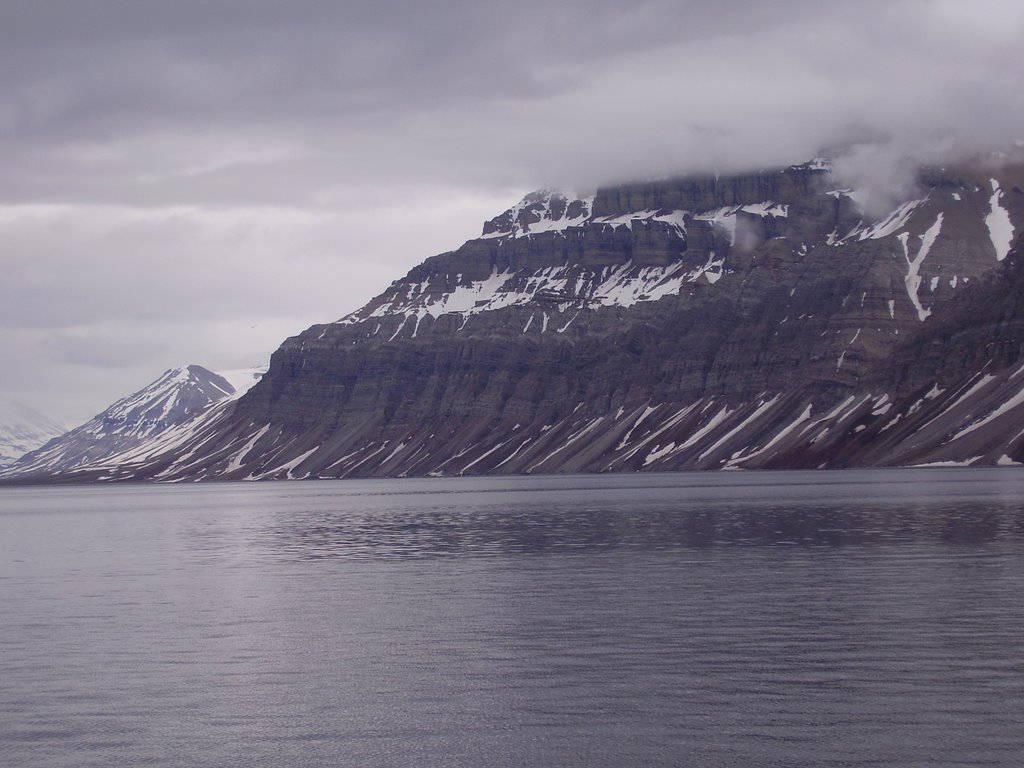
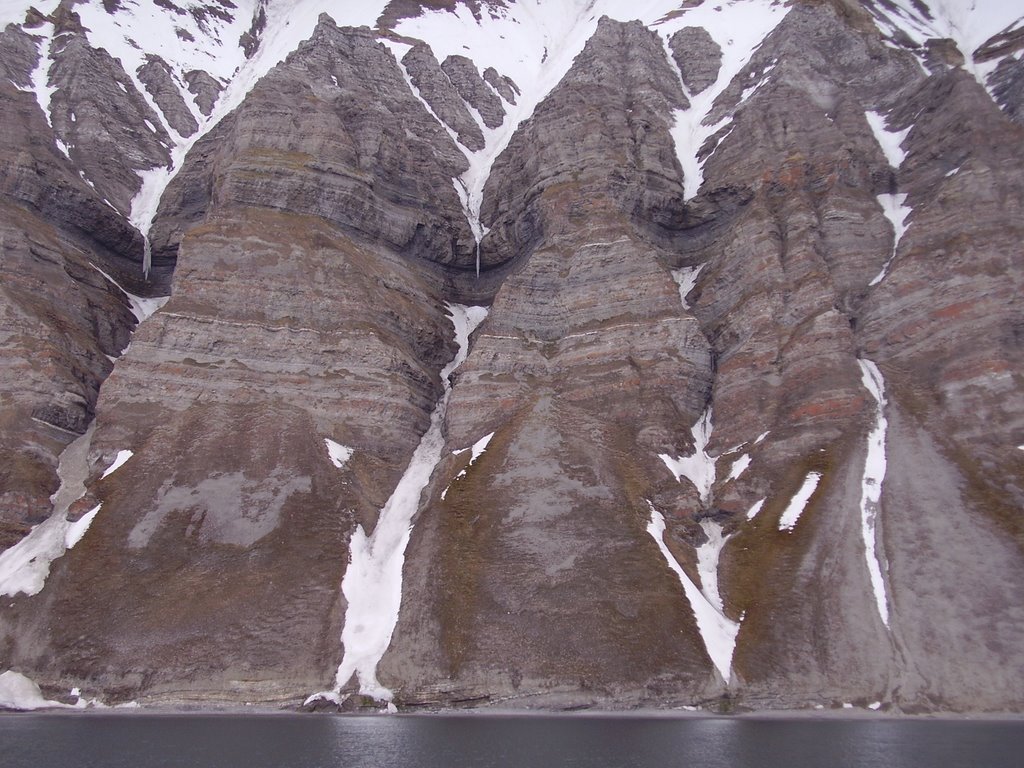
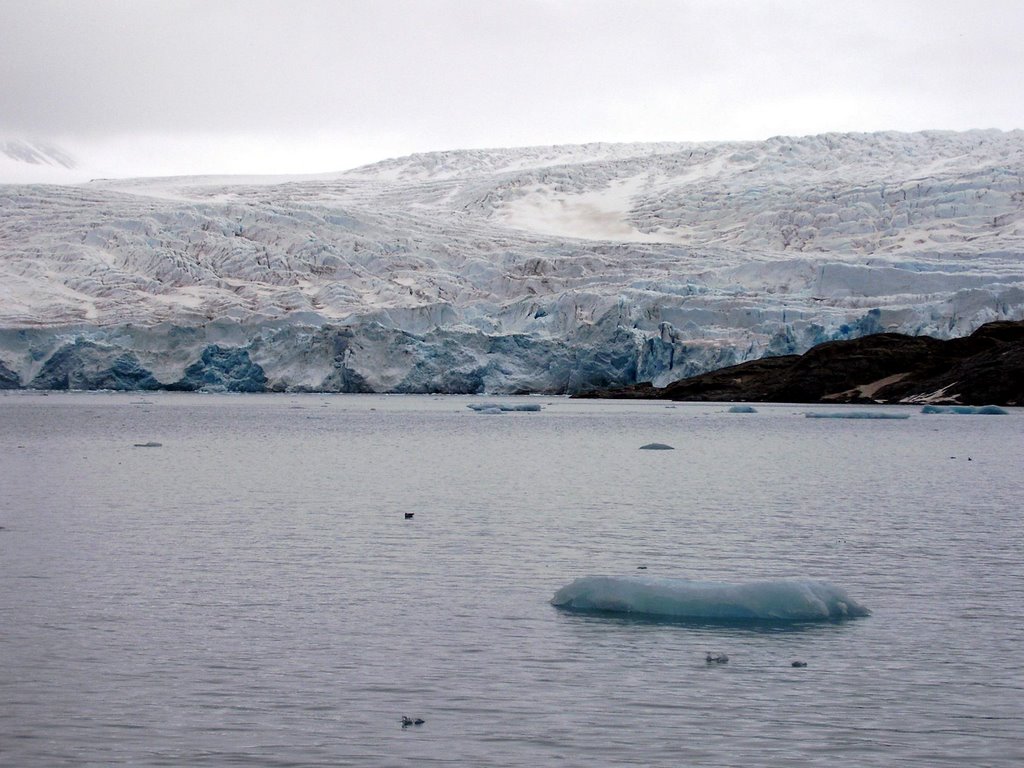
So when I was on Svalbard for about two months ago I discovered, to my huge surprise, one of "definitions" which is valid for me as an informant, not as "an scientist". I realized what the nature is for ME. And I really found it of great significance for my future work. That gave me a new look at what I am actually able to ask people about and how I could ask them! I've asked myself a thousand and one times about my "private" definition of various terms and I've allways fallen into a trap of "other's definitions of other's definitions." It means that I hardly could erase from my head what I had read on this subject before and be one-on-one with myself. But then we took the plane to Svalbard...


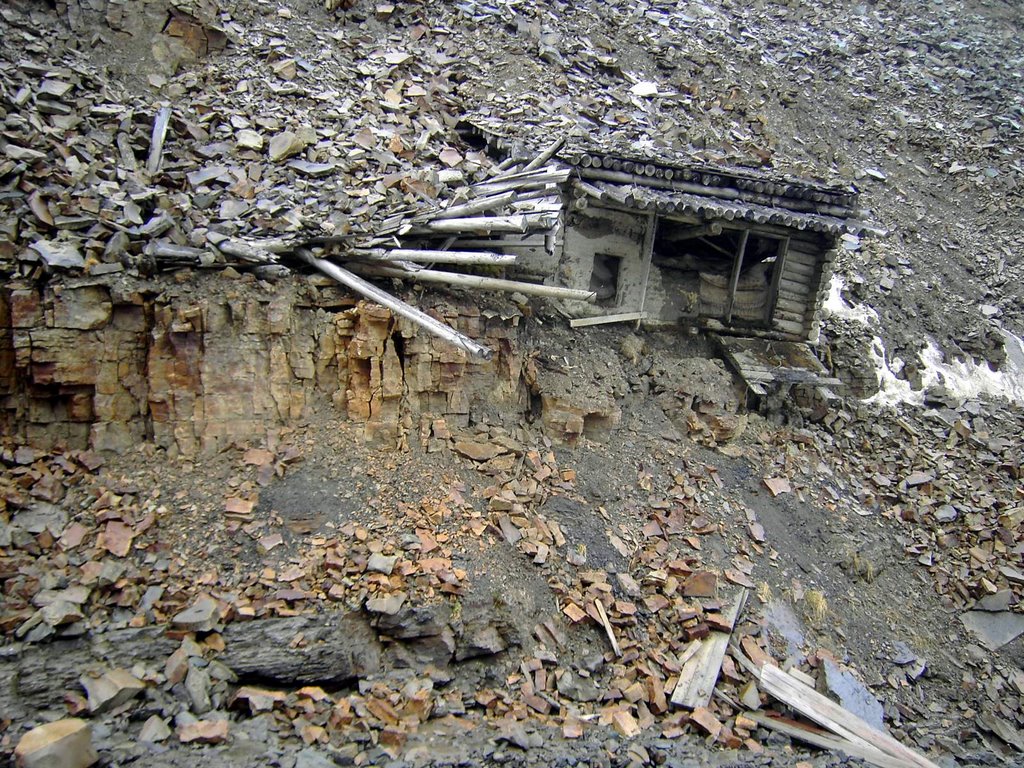
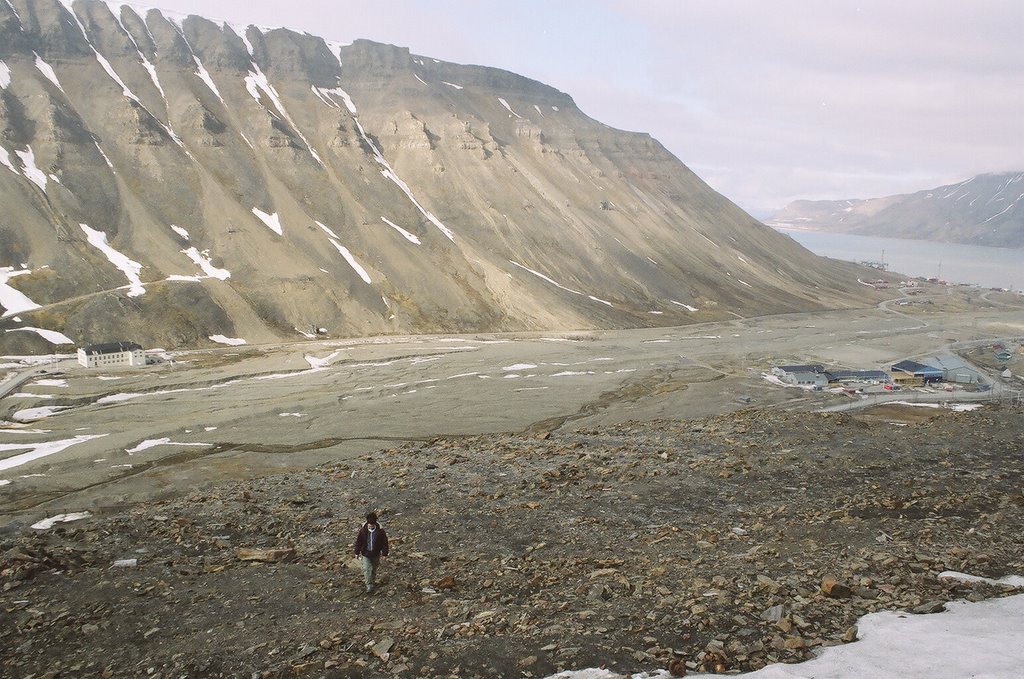
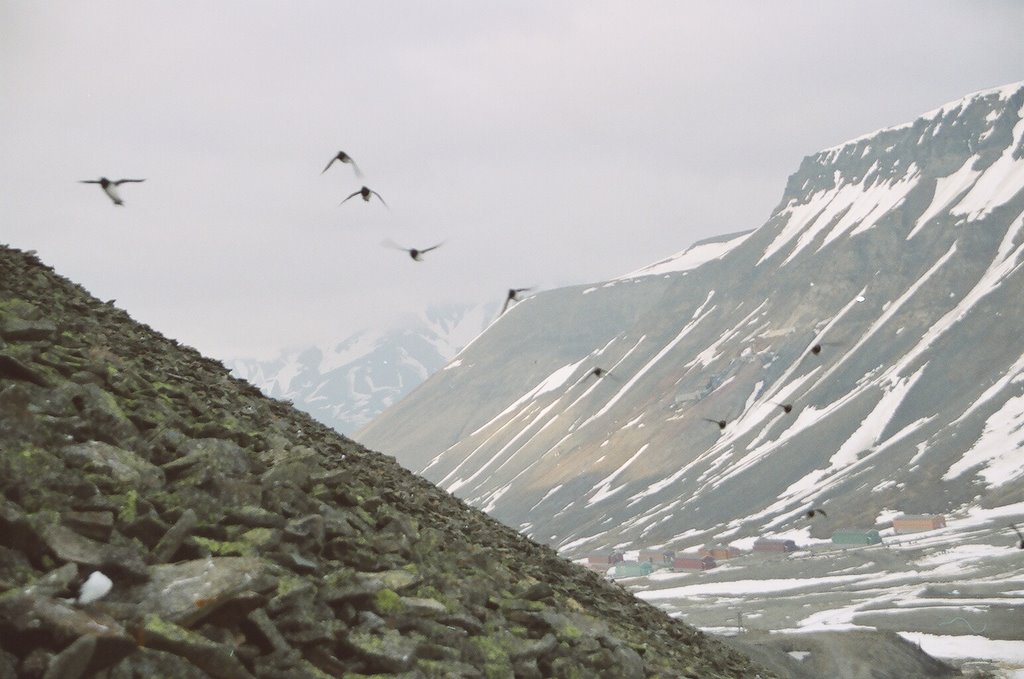
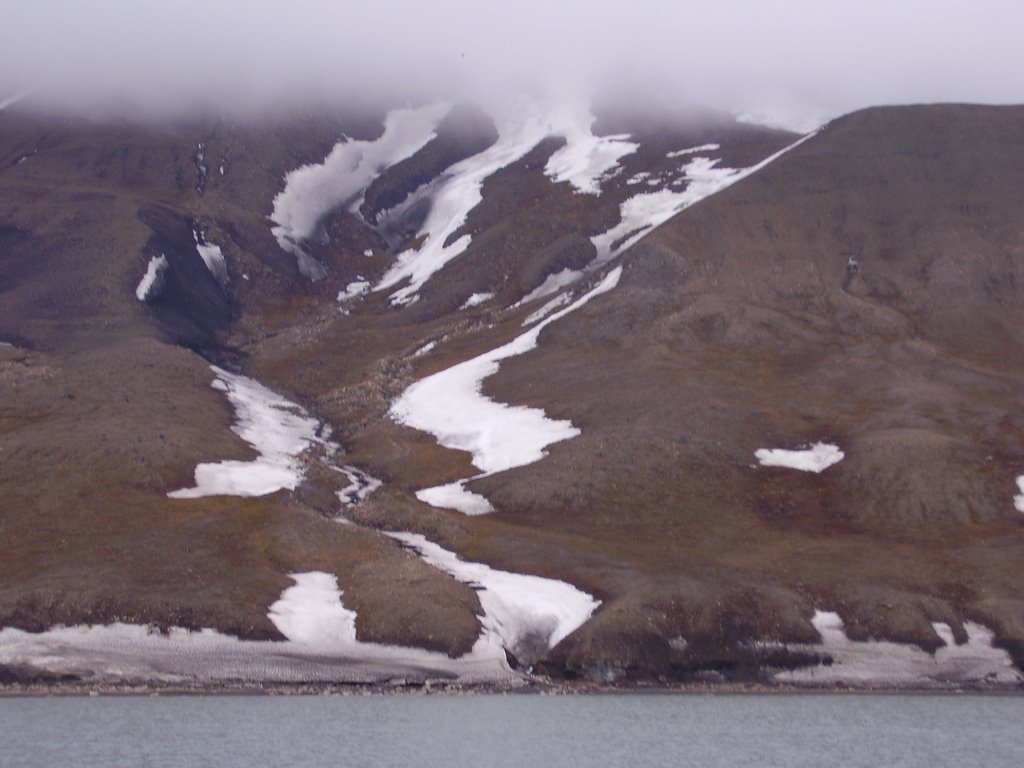
I was enchanted by the greatness, fabulousness and unreality of the place on which we had landed. Yes, there was beauuuuutiful there, especially when flying over snow mountains and hiking on glaciers, but there was something there that didn't let me feel COMFORTABLE. The island was exotic - yes, it was quiet - yes, it was amazing - yes, but NATURAL? - not at all!

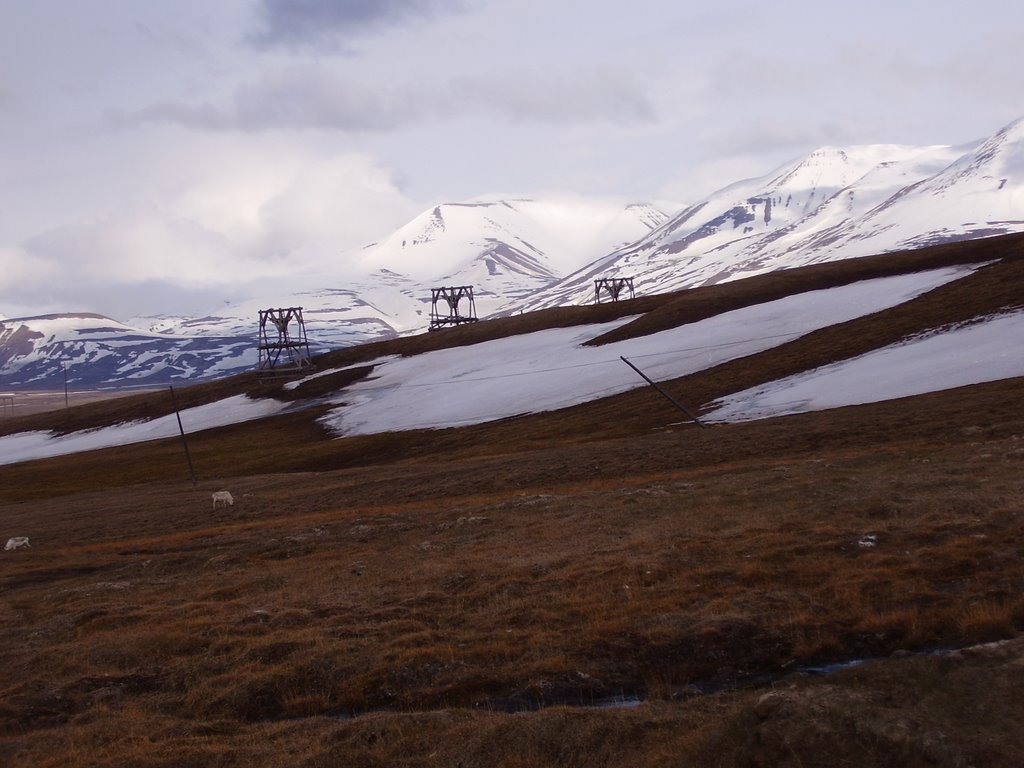
Longyearbyen as a coal mining city has only intensified my impression of a non-natural environment. It was the first time ever I had felt so much HUMAN BEING. HUMAN ACTIVITY. I'm not too "green" person, but this time I really saw this "brutal hand". Maybe being aware of being on 78° North and all difficulties that the first "conquerors" had had to overcome enhanced that impression.

(And all this is labeled as "cultural heritage", something that causes conflicts between the authorities and some ecological groups)

So after a while in a city we took a little walk around and suddenly, without asking, totally unexpected to me I said to my boyfriend:
"You know it's really strange. In all catalogues and tourist guidebooks it is written: "Experience nature in its purest form" or "welcome to the kingdom of nature" or something like this but...I don't actually feel that nature here! I do not feel NATURE here at all! It's strange. Nature is something green, something that grows, that reproduce oneself... Nature should live, shouldn't it? Here I feel like in Hades... I can almost feel death here!"

I know this definition has not any scientifical value or validity, but after all every book and theory is based on such statements! I mean that we often have to build some scientifical "knowledge" and "truth" out of our informants' simple statements, stories and words and these ones do have some value for us.

There were of course a lot of fabulous places and there was much more light and blue than on these pictures (we saw actually some flowers there too;) but these are my memories and they show Svalbard that I've seen and how I remember it. And apart from that, they fit my words above and my definition of non-nature (heh, it's so easy to create ethnographic examples to ones own theory!!:)

Labels: , ,

Wednesday, July 26, 2006

Taking (bad) pictures of rituals and holy places. Anthropologist vs. tourist


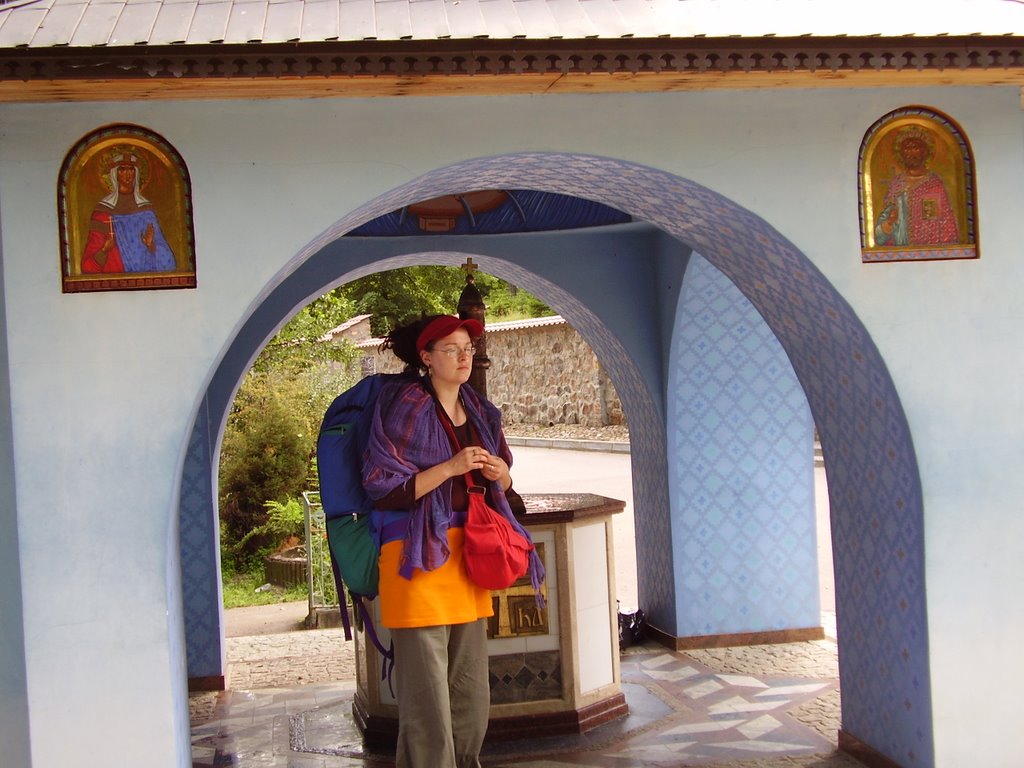
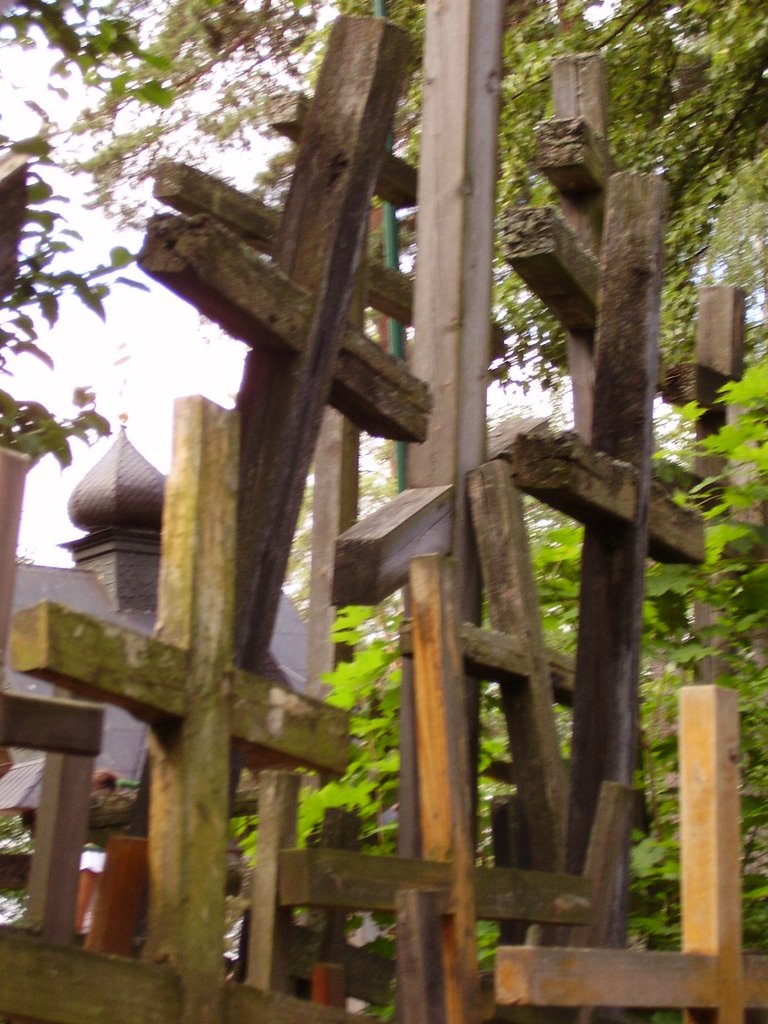
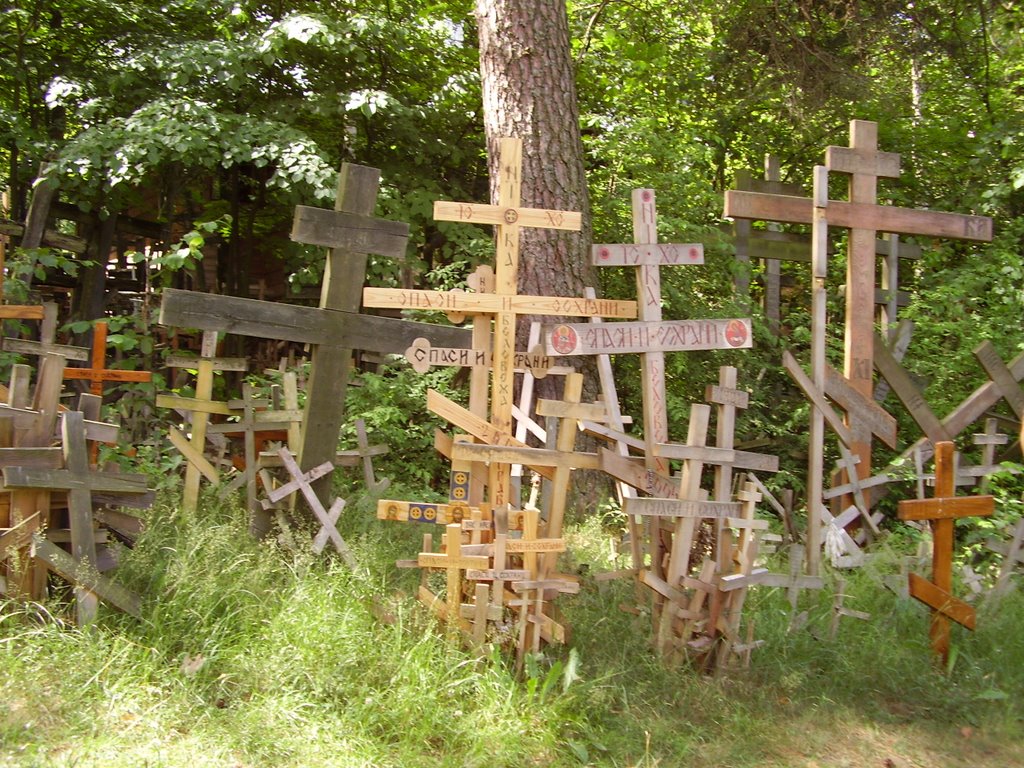
Friday 30th of June we went to Holy Mount of Grabarka (only in Polish, in English here) and the Orthodox Church of the Transfiguration. The place is the most important orthodox sanctuary in Poland. It is situated in the eastern part of country, close to Siemiatycze, near border with Belarus. Celebrity of the feast of the Transfiguration is one of the 12 important holidays in orthodox ecclesiastical calendar. The date of our arrival is important to mention because it was the 10th Friday from Easter. It means it was the day of exceptional Holy Liturgy to which Orthodox people from Poland and Belarus come. We didn't actually know about the celebration and didn't suppose we were going to participate (?!) in an important religious event. Especially that on our way to sanctuary we didn't meet too much pilgrims:)


At the Holy Spring there wasn't anybody either...


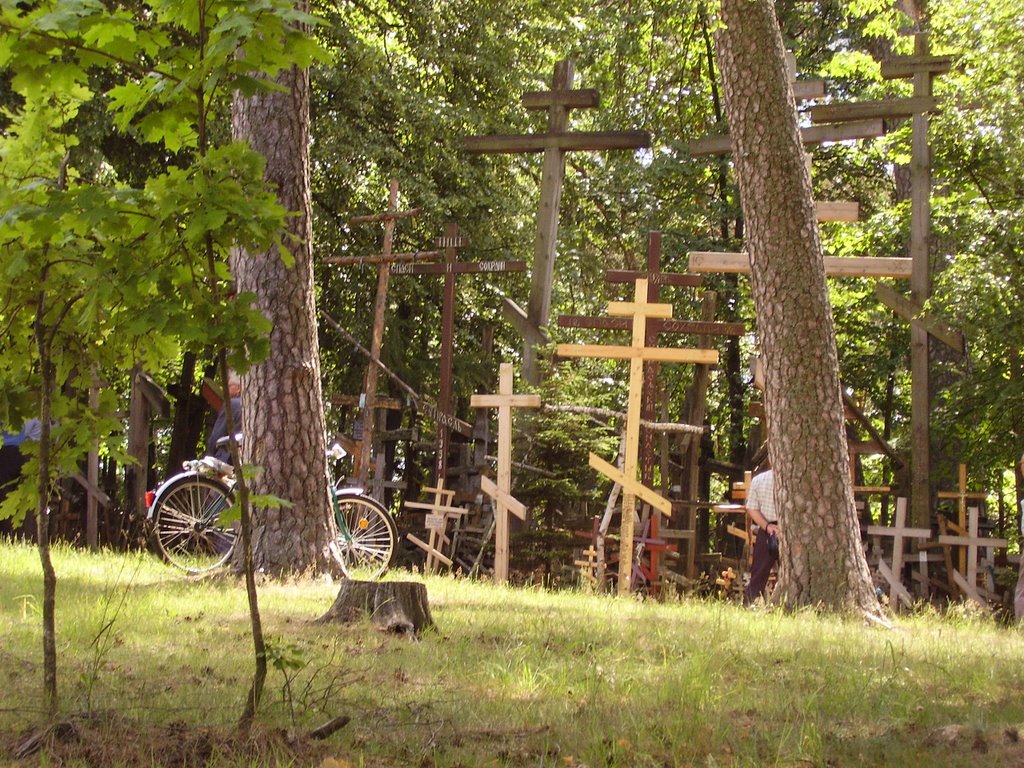
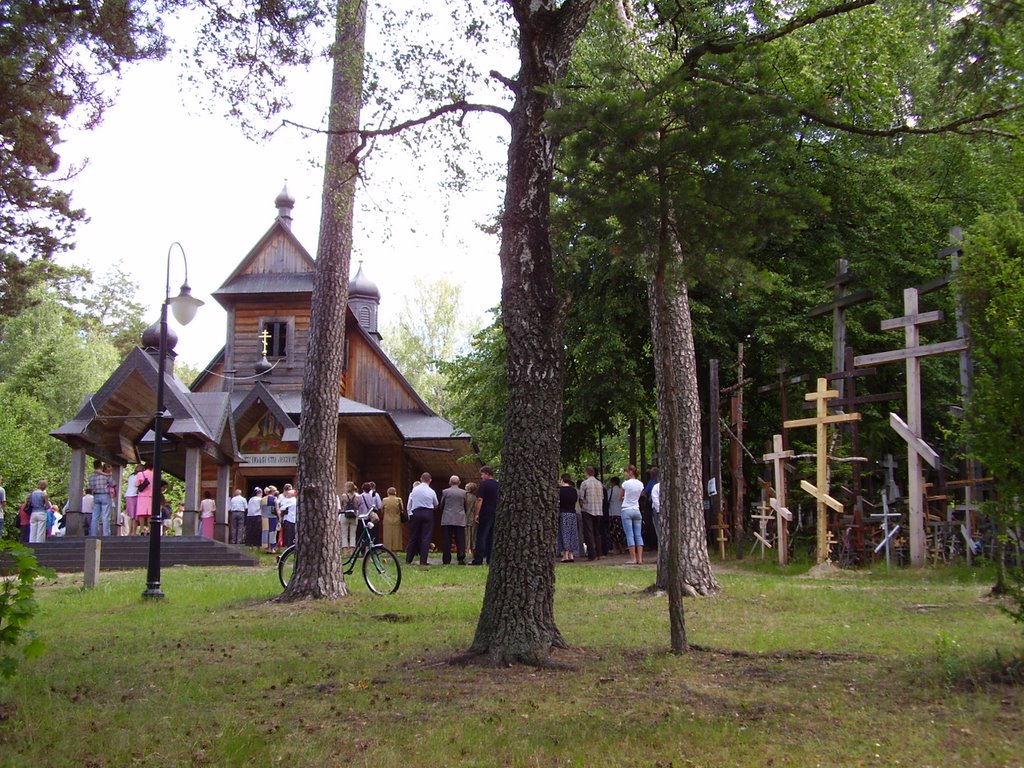
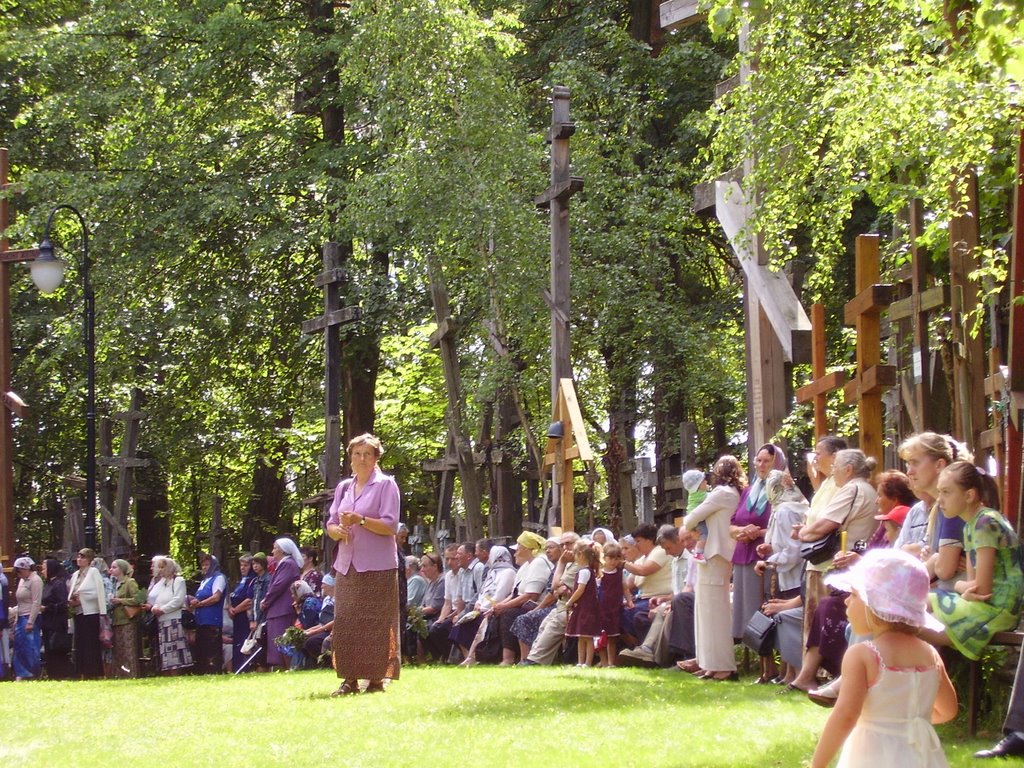
So it was to our great surprise that when went up the hill to visit the church and the mount of crosses we met the congregation devoted to listening to the sermon and songs. And here THE BAD PHOTOGRAPHY began...

As you can see I didn't use too much time and energy to adjust my camera, to bring the image into focus, to wait for the right light, composition and so on (I am not any artistic or technical talent at all but I allways try a little bit more:). Suddenly I became conscious of being at a holy place. A place that is important to the assembled in a way that needs respect, understanding and distance. I felt ill at ease taking pictures highlighting my "strangeness" there. From somebody who wanted to see and experience the holy place, I transformed to a nosy tourist that poked her head in there. I felt like a spion in a place that deserves some special treatment. I didn't feel well. That is why I took some shots that are so crummy. Pictures that express my discomfort and my position there. The photos above show how I've tried to document what I saw but I didn't have enough courage and knowledge to make THE GOOD (aesthetic) DOCUMENT...


When I saw the pictures after I came home I was amazed over what the pictures actually showed! They are bad as documents of the celebration and don't have any aesthetic qualities but they are perfect as an evidence for my presence there and what my position was there and then - an observer, somebody hidden, who didn't want to be nailed. The camera was matter out of place as well as I was. In my perspective. As a newcomer, as a stranger, as an outsider, I wasn't sure how far I can go not to hurt anybody. Not to destroy the holisness of the moment. That is why I am not sure if I can work with "holy" things, places, rituals and others. I just couldn't wipe off the feeling of intrudeness out of my head. I think that my sense of empathy dominates over my voice of reason. I hope it is true what every experienced fielworker says that it's just a metter of training and practice to find the balance between those two. I know also that the fact that I was so focused on myself made me feel so uncomfortable. Now I am quite sure that those people probably didn't bother about my presence and what I was trying to do. But there and then I had a feeling that everybody looked at me and didn't say nothing but thought that I was a really rude tourist!

The other fact is that I didn't know anything about "taking pictures rules" there and I didn't ask anyone about that. I felt awfully weird. As a lot of fieldworkers ask themselves: Do I have the right? (see for example Belomonte or Scheper-Hughes) I asked myself also. I don't know the answer, I don't know exactly what I was doing there and why, but I've discovered next truth of being a moral scientist:

IF YOU DOUBT IF WHAT YOU ARE DOING IS RIGHT, DON'T DO THAT, YOU CAN LIVE WITHOUT THAT. IF YOU DON'T KNOW THE NEW SITUATION AND YOU ARE NOT SURE ABOUT CULTURAL NORMS THERE - DON'T DO ANYTHING THAT CAN GIVE YOU BAD CONSCIENCE. YOUR PEACE OF MIND AND MORAL SELFDISCIPLINE IS A POINT OF DEPARTURE FOR MAKING GOOD SCIENCE AND THE WORLD BETTER.


In his article Jay Ruby writes "If "taking pictures" is an anthropological activity, It would seem quite reasonable to expect to find a body of literature which demonstrates that anthropological picture-taking is scientifically justifiable." As I was just a "tourist" there, it is hard to find any justification for taking pictures there.

Another thing is where the boundary between being a tourist and being an anthropologist lays???? There are tourists who are interested in the culture and social situations one experiences and there are anthropologists that are not doing any FORMAL research or fieldwork at the place at which they are. Any place I visit for the first time provoke some thoughts that could be labeled as "anthropological" - that means that I try to find patterns, structures, functions, reasons, contexts in what I am witnessing. I adore anything new and I easily fall in love with the new situations and social beings. It gives me the power to explore new subjects and wake my interest in new themes. That feeling makes me interested in people's life and makes me want to understand them. Am I a tourist then or an anthropologist? I think that the difference is in what we do with those feelings later, when we are back from those places...... (I need to go deeper into this subject).

Anyway, I think that being an anthropologist requires a good dose of self-esteem and humility at the same time.

As a conlusion I want to quote Ruby and put pictures that, I think, illustrate almost literally what he calls "photographic presentation of self":

"When an anthropologist, or anyone else for that matter, takes a picture he follows a set of culturally specific conventions which determine the selection of subject matter and the treatment of that subject. In addition, the subject, if he is a member of a culture where pictures are normally taken, follows another set of "on camera" behaviors which shape his photographic presentation of self (my emphasis)."

"If asked, most anthropologists would separate themselves from the tourist photographer by saying that they have a scientific obligation to pictorially record any culture under study because that culture will undoubtedly undergo rapid change and they need to preserve this record for the future. This assumed responsibility and justification do cause us to take some pictures that the average tourist would not."


See also - Taking pictures movie.

Labels: , , , , ,

Tuesday, May 02, 2006

Newcomer's revelations. Spinosa's lenses.

After day-long reading of books in qualitative methods I realized what challenges I am going to meet. I've realized that my MA project and my first fieldwork are going to be harder than I had thought. And that being researcher demands much more discipline than I had supposed. Truism of the newcomer!

The textbook I've just read "Systematikk og innlevelse. En innføring i kvalitativ metode" (Systematics and empathy. An introduction to qualitative method) by Tove Thagaard is one of those books that you do hesitate to read and you start reading because you have to. A textbook that seems to bore you rigid but you do hope that it will turn out to be inspiring and helpfull. This book was such. Just after few sides you realize how ignorant you are. Ignorance to the subject that you love so much. It is like dreaming of being a pilot. You have to go through a mass of boring theorethical courses to be able then to reach the sky. And you appreciate all the knowledge you had to assimilate, in spite of being filled with nausea at the sight of a killing stack of papers you had have to read. And you value it at once you sit in the cockpit.

Revelation! I needed it. Now I know I needed this book so much that I feel embarrassed with my own naivety. Novice's failure. Mistakes that your wisdom is built upon. Fortunately. Those mental experiences and "eurekas" that leads you to clear mind.

Reading of methodological secrets has coincided with the new design of this site. For those who hasn't been here before I post a picture that was a motif of my blog.

A few days ago I realized that I am not going to arrive anywhere if I am sitting naked in front of my objects of interest and watching them behind the glass. Symbolic nudity. I took off my clothes which were my identity, experiences and values. In my artless searching for objectivity I was trying to throw away everything that could influence my understanding of "the others". What a foolishness! I was like sitting and gawking at the picture that was becoming more and more vague and impossible to read (Yeah, yeah, I knew all this about participation and so on, but the case is some mental block that all of us have to break at some point). Phenomena and objects of my interest became like this screen that consists of billions of dots and I was not able to grasp the meaning.

And then I found this picture from "Five Obstructions" and I realized that I mustn't lose myself and my "self" to understand "the others". I have to be like this plastic screen that absorbs the two sides of reality. Of course, this picture is an exaggeration of my ideal but I think that it is what anthropology is about. Participate but be yourself. And observe. Don't try to cheat yourself. You can watch the glass screen but the image is becoming blurred the more you try to see something. An anthropologist has to be able to go to the other side and come back and not reject what she/he was and still is. And while analysing and presenting results, you have to be the plastic screen that does not take side with anybody.

See both side!
Participate!
Remeber who you are!

Labels: , ,